
What Is Climate-Controlled Storage?
Climate-controlled storage units are designed to regulate temperature and, in some cases, humidity. This helps reduce damage caused by extreme heat, cold, and moisture.
Standard self-storage units, especially drive-up units, are typically uninsulated or lightly insulated and are subject to outdoor temperature and humidity swings. In Maine, that means hot, humid summers, cold winters, and constant freeze–thaw cycles.
It’s important to note that not all climate-controlled storage is the same. Many facilities regulate temperature but do not actively manage humidity, which can be just as damaging as heat or cold.
Why Maine Is a Special Case
Maine’s climate creates challenges that don’t exist everywhere:
-
High humidity during coastal summers
-
Long periods of cold and freezing temperatures
-
Freeze–thaw cycles that stress wood, adhesives, and finishes
-
Salt air near the coast that accelerates corrosion and moisture damage
An item that survives just fine in a dry climate can deteriorate much faster when exposed to repeated moisture swings.
Items That Truly Benefit From Climate-Controlled Storage
If you’re choosing where to spend your storage budget, these items should take priority:
-
Antiques and family heirlooms
-
Books, documents, photographs, and paper records
-
Artwork and musical instruments
-
Fabrics, clothing, and linens
-
Electronics and media
-
Plastics, vinyl, wax, and soft composites
-
Medical supplies and cosmetics
These materials are sensitive not just to temperature, but to humidity. Over time, uncontrolled conditions can lead to warping, mold, cracking, adhesive failure, and irreversible damage.
Items That Often Do Not Require Climate Control
Not everything needs climate-controlled storage, particularly for short-term use.
Items that often store well in standard storage when properly prepared include:
-
Appliances
-
Basic furniture
-
Tools and equipment
-
Garage items and outdoor gear
Proper preparation matters more than the storage type. Covering items, elevating them off the floor, protecting against dust, and using moisture absorbers can make a significant difference.
The Most Important Question to Ask Before Storing Anything
This is the question we encourage every customer to consider:
Is this item hard to replace, or hard to lose?
If something is easily replaced and has little sentimental value, storing it long-term may cost more than replacing it later. In many cases, selling and rebuying makes more financial sense.
If an item has sentimental value, historical value, or would be difficult or impossible to replace, protecting it properly becomes far more important than saving a few dollars per month.
Short-Term vs Long-Term Storage
Time changes everything.
-
One to two months: Many items can tolerate standard storage with proper packing
-
Six months to a year: Environmental exposure starts to matter more
-
Multiple years: Climate stability becomes critical
What starts as short-term storage often becomes long-term storage without warning. Planning for that reality upfront can prevent costly surprises later.
Managed Storage vs Self-Storage: A Climate-Control Reality Check
Many people assume a climate-controlled self-storage unit automatically provides the best protection. In practice, professionally managed storage often offers more stable conditions.
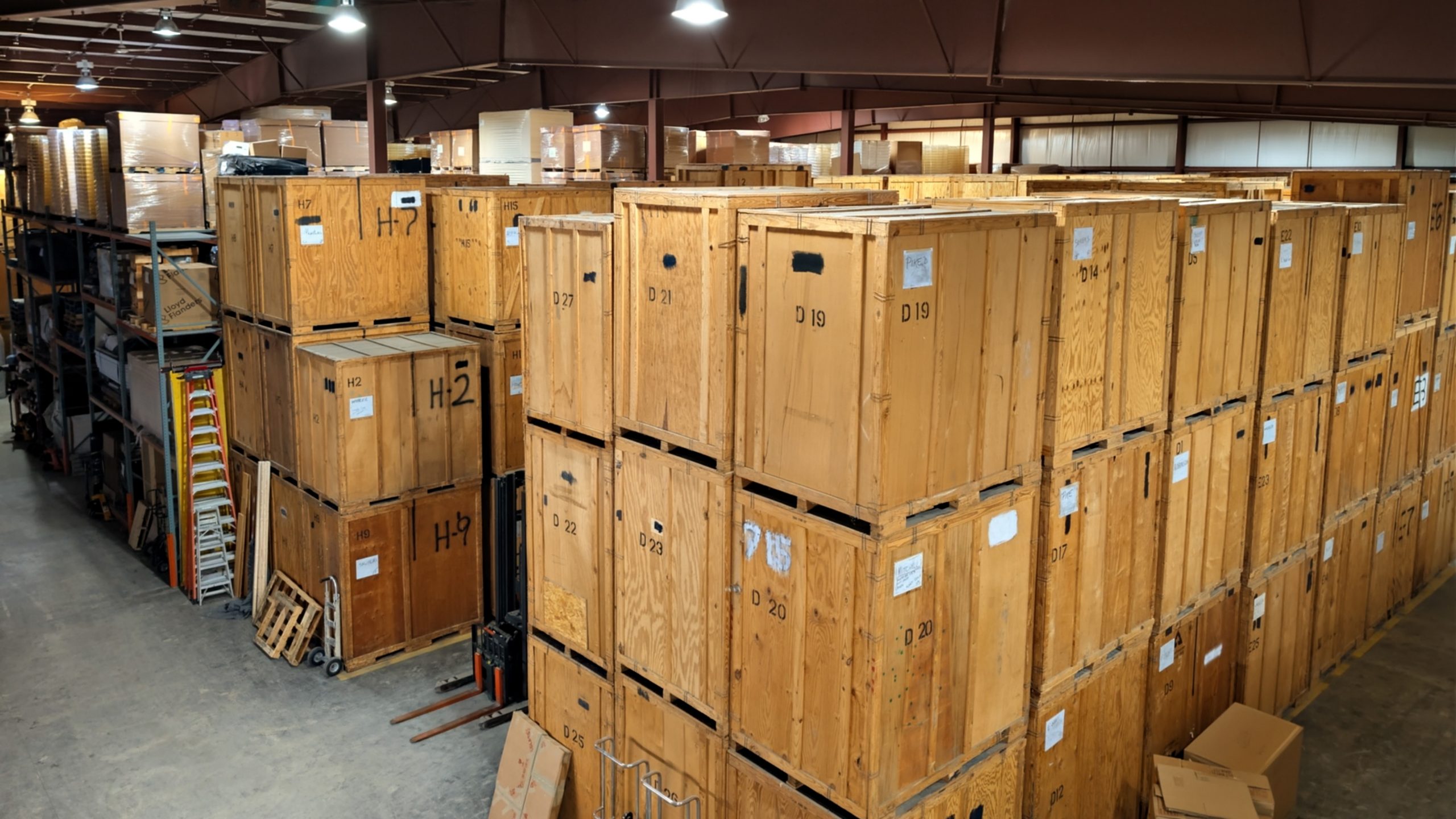
Managed storage environments are typically sealed, monitored spaces with far fewer temperature and humidity swings than self-storage buildings that experience frequent door openings and constant air exchange. Items are stored once, handled professionally, and left undisturbed, which significantly reduces exposure to moisture, dust, and environmental fluctuations.
For long-term storage of antiques, artwork, paper items, and heirlooms — especially in Maine’s coastal climate — managed storage can offer a higher level of protection even when both options are labeled climate-controlled.
Our Recommendation
Climate-controlled storage is not always necessary, but it is often worth it for sensitive items and long-term storage. The right choice depends on what you’re storing, how long you plan to store it, and how easily those items could be replaced.
At Norumbega, we focus on helping customers make informed decisions — even when that means recommending less storage, not more. If you’re unsure what type of storage makes sense for your situation, we’re always happy to talk it through.
Looking for More Storage and Moving Guidance?
Choosing the right type of storage is only one part of planning a move or organizing your space. If you’re looking for more practical advice, these guides may be helpful:
-
10 Moving Tips I Wish I Knew Before Moving – An easy to read guide with all the top tips we have learned over the decades.
- Common Moving Mistakes and How to Avoid Them – A practical breakdown of issues we see every week and how to prevent them before moving day.
-
Comprehensive Moving Guide – An in-depth look at planning, packing, storage, and what to expect when moving within or out of Maine.
You can find all the rest of our accumulated knowledge over on Moving Tips.